
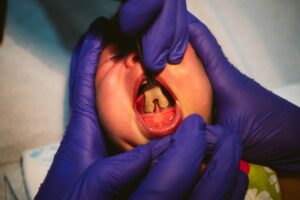
As a parent, you want to make sure your child can eat, speak, and grow comfortably. Sometimes, a small piece of tissue in the mouth called a frenum can interfere with normal oral development. The frenum connects the lips, cheeks, or tongue to the gums and jaw. When this tissue is too tight or thick, it can restrict movement and lead to functional problems. A frenectomy is a simple procedure that releases this restrictive tissue.
Here are 5 common signs your child may benefit from one.
1. Difficulty Breastfeeding or Bottle Feeding
In infants, a restricted tongue or lip movement can make feeding challenging. A condition known as Ankyloglossia—commonly called tongue-tie—can prevent a baby from properly latching during breastfeeding or bottle feeding.
Signs may include frequent feeding sessions, clicking sounds while nursing, poor weight gain, or frustration during meals. Mothers may also experience discomfort during breastfeeding due to an improper latch. Releasing the restricted tissue can often improve feeding efficiency and comfort for both parent and child.
2. Speech Development Challenges
As children grow, limited tongue mobility may affect speech development. Certain sounds—such as “t,” “d,” “l,” “r,” or “th”—require precise tongue movement. A restrictive frenum can make these sounds difficult to pronounce clearly.
If your child struggles with articulation or is recommended for speech therapy, an evaluation for tongue or lip restriction may be helpful. In some cases, a frenectomy combined with speech therapy significantly improves clarity and confidence in communication.
3. Gap Between the Front Teeth
A thick or low-attaching labial frenum (the tissue connecting the upper lip to the gums) can sometimes cause or maintain a gap between the upper front teeth. This spacing, known as a diastema, may persist even as permanent teeth erupt.
A frenectomy may be recommended to prevent the tissue from pulling the teeth apart or interfering with orthodontic treatment. Addressing the issue early can support proper tooth alignment and long-term smile development.
4. Difficulty with Oral Hygiene
Restricted lip or tongue movement can make everyday oral hygiene more difficult for children. If your child struggles to move their tongue enough to clear food debris or cannot comfortably brush certain areas, plaque buildup may increase.
Poor cleaning access can raise the risk of cavities and gum inflammation. Improving mobility through a frenectomy can make brushing, flossing, and overall oral care much easier.
5. Mouth Breathing or Sleep Concerns
In some children, oral restrictions contribute to mouth breathing or difficulty maintaining proper tongue posture. Healthy tongue positioning supports normal jaw development and airway function. When movement is limited, it may impact sleep quality or breathing patterns.
Persistent mouth breathing, snoring, or restless sleep may warrant an evaluation by a dental professional familiar with oral ties.
A frenectomy is typically quick, minimally invasive, and often performed using advanced laser technology for improved comfort and healing. If you notice feeding difficulties, speech concerns, or oral development issues, a pediatric dentist or specialist can evaluate whether treatment is appropriate.
About the Author
As a mother, Dr. Lindsey McElligott has a lot of experience when it comes to the troubles of a painful latch, gassy babies, sleepless nights, and more. That’s why she’s dedicated to helping patients of all ages, from infants to adults, overcome lip and tongue ties at Northeast Lip & Tongue-Tie Center. She is a graduate of the Tufts University School of Dental Medicine and has pursued further education in frenectomy treatment by studying leading experts such as Dr. Richard Baxter and Dr. Saroush Zaghi. Trust Dr. McElligott’s training and experience when it comes to handling your child’s frenectomy. Book online or call (781) 773-2076.